Retaining Wall Materials: Which One Is Right for Your Yard?
Sleepers, concrete blocks, gabion or timber? Here's how to compare retaining wall materials by cost, lifespan and best use case in Australia.
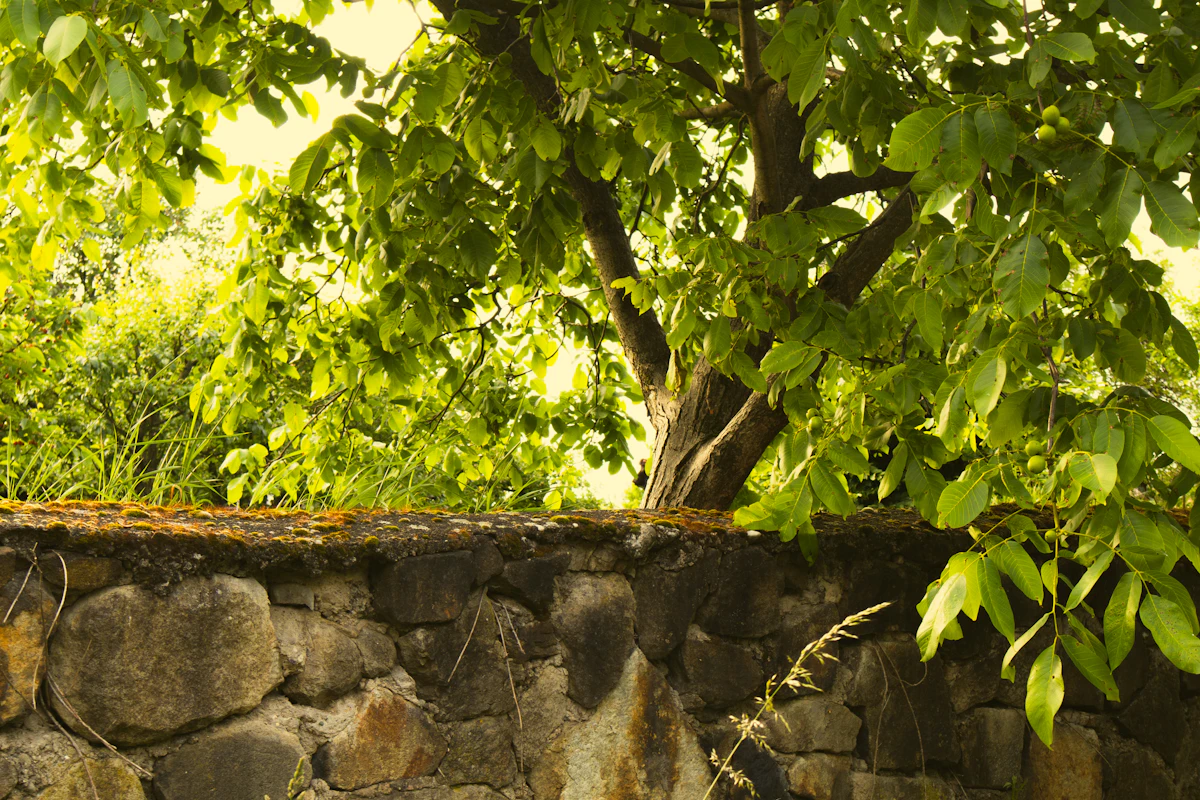
A retaining wall can transform a sloped, unusable backyard into flat, liveable space — but pick the wrong material and you'll be dealing with cracking, rot or council headaches within a few years. Here's a practical comparison to help you choose.
Why the Material Choice Matters More Than You Think
Retaining walls are structural. They hold back tonnes of soil and deal with water pressure after rain. The wrong material in the wrong situation doesn't just look bad — it can fail dangerously. Australian soil types, seasonal wet/dry cycles and bushfire zones all affect which product will actually last.
The Main Options Compared
| Material | Typical Cost (installed) | Lifespan | Max Recommended Height (DIY) |
|---|---|---|---|
| Treated pine sleepers | $180–$280/m² | 15–25 years | 1.0 m |
| Hardwood sleepers | $250–$380/m² | 25–40 years | 1.0 m |
| Concrete sleepers | $300–$450/m² | 50+ years | 1.2 m |
| Besser/concrete blocks | $220–$350/m² | 50+ years | 1.0 m |
| Gabion baskets | $280–$420/m² | 30–50 years | 1.5 m |
| Natural stone (dry-stacked) | $400–$700/m² | 50+ years | 0.8 m |
Prices are indicative for 2024–25 and vary significantly by state, access difficulty and soil conditions.
Treated Pine Sleepers: Budget-Friendly but Not Forever
H4 or H5 treated pine is the go-to for budget builds. It's easy to cut, widely available and looks decent freshly installed. The catch is longevity — in areas with poor drainage or persistent moisture (think coastal Queensland or Melbourne's wet winters), pine sleepers can begin to bow and rot within a decade. They're best suited to low walls under 800 mm in reasonably dry conditions.
Also worth knowing: pine sleepers retain heat in summer, which can affect plants against the wall.
Hardwood Sleepers: Better Longevity, Higher Price
Recycled hardwood sleepers (messmate, ironbark, redgum) are increasingly popular for their rustic look and genuine durability. They're denser than pine, resist moisture better and are often sourced from demolished rail infrastructure. Check they're graded for in-ground use — some recycled hardwood is surface-only.
Ready to get started? Local outdoor tradies are available now.
In bushfire prone areas (BAL-12.5 and above), hardwood can be preferable to some engineered options.
Concrete Sleepers: The Low-Maintenance Pick
If you want a wall that you'll genuinely never think about again, precast concrete sleepers are hard to beat. They slide into steel posts, handle heavy soil loads and won't warp or rot. The trade-off is aesthetics — they have a utilitarian look unless you choose a textured or coloured finish, which adds cost.
For walls over 1 m or on clay-heavy soil, concrete sleepers combined with adequate drainage and steel H-posts are often what a structural engineer will specify.
Gabion Baskets: The Drainage-Friendly Option
Gabion walls — wire mesh cages filled with rocks — are excellent where water management is a challenge. Water drains straight through rather than building up behind the wall, which dramatically reduces hydrostatic pressure (the main reason walls fail). They're also visually striking and can be filled with local stone to suit the landscape.
Downsides: they require a decent amount of space because they're wide relative to height, and the wire cages will eventually corrode, especially near the coast. Galvanised or PVC-coated mesh lasts longer.
Natural Stone: Beautiful but Specialist Work
Dry-stacked sandstone or bluestone walls are gorgeous and age well, but they need to be built right. Poorly laid dry-stack walls can shift after heavy rain. Unless you're experienced, this is a job for a landscaper who specialises in stonework. Budget accordingly — it's labour-intensive.
What to Think About Before You Choose
- Height: Anything over 1 m typically needs council approval and potentially an engineer's sign-off. Check your local council's guidelines before starting.
- Drainage: All retaining walls need agricultural pipe (ag pipe) and gravel backfill. Skipping this causes most failures.
- Soil type: Expansive clay soils put more pressure on walls. Concrete or gabion options cope better.
- Bushfire zones: Check your BAL rating — some materials and finishes are restricted.
- Aesthetics: Think about what the wall adjoins. A concrete sleeper wall next to a heritage weatherboard home will look out of place.
Actionable Takeaway
For most suburban backyards with a wall under 800 mm, treated pine is fine if drainage is done properly. Step up to concrete sleepers or hardwood for anything taller, wetter or where you want it to be a set-and-forget job. Get at least two quotes from licensed landscapers and ask each one what drainage solution they're including — that single detail is the difference between a wall that lasts and one that leans within five years.
Done researching? The next step is getting real quotes.
Get My Quotes — It's Free →No obligation. Takes 60 seconds.